Steel Quality Control Insights: The Importance of Structural Steel Quality Control

Ensuring the safety and durability of steel structures is a critical responsibility in the construction industry. The quality of structural steel directly impacts the strength, longevity, and safety of buildings and infrastructure. As someone deeply involved in this field, I understand how essential it is to maintain rigorous standards throughout the fabrication and construction process. This article explores the importance of steel quality control insights, practical methods to achieve it, and the benefits it brings to contractors, fabricators, and construction companies.
Understanding Steel Quality Control Insights
Steel quality control is a comprehensive process that involves monitoring and verifying the properties and performance of steel materials used in construction. It is not just about meeting specifications but ensuring that every piece of steel performs as expected under various conditions. This process includes testing raw materials, inspecting fabrication methods, and verifying weld integrity.
Steel quality control insights help identify potential weaknesses early, preventing costly repairs or failures later. For example, detecting impurities or inconsistencies in steel composition can avoid structural weaknesses. Similarly, monitoring welding processes ensures joints are strong and free from defects.
Implementing these insights requires a combination of skilled personnel, advanced testing equipment, and strict adherence to industry standards. By focusing on these areas, companies can reduce risks, improve project outcomes, and build a reputation for reliability.

Key Components of Steel Quality Control
Effective steel quality control involves several critical components that work together to guarantee the material's integrity:
Material Testing
Testing raw steel for chemical composition and mechanical properties is the first step. This includes tensile strength, hardness, and impact resistance tests. These tests confirm that the steel meets the required standards before fabrication begins.
Dimensional Inspection
Accurate measurements ensure that steel components fit together correctly. Dimensional inspection prevents misalignment and structural weaknesses caused by improper sizing.
Welding Inspection
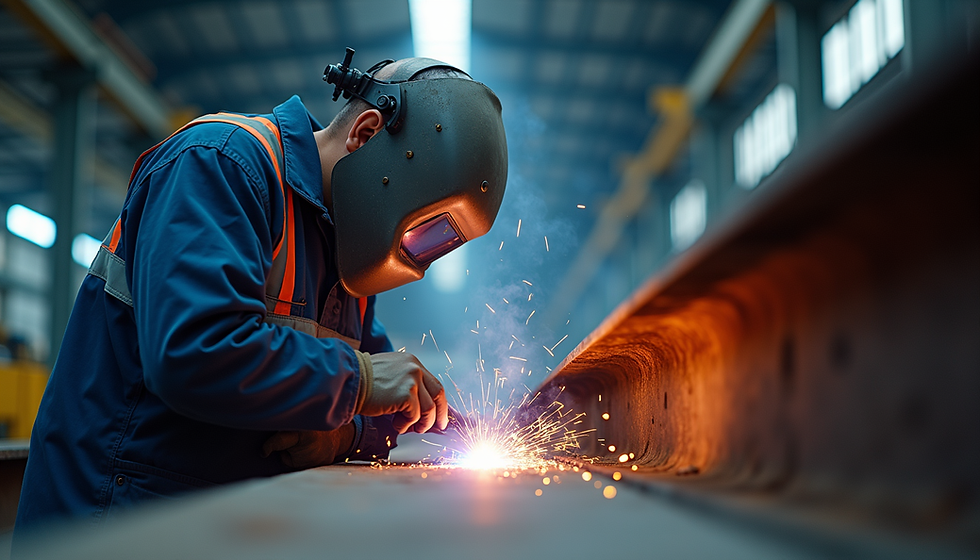
Welding is a crucial part of steel fabrication. Inspections include visual checks, ultrasonic testing, and radiographic testing to detect cracks, porosity, or incomplete fusion in welds.
Surface Treatment Verification
Protective coatings and treatments prevent corrosion and extend the life of steel structures. Quality control verifies that these treatments are applied correctly and uniformly.
Documentation and Traceability
Maintaining detailed records of inspections, tests, and material certifications ensures traceability. This documentation is vital for accountability and future reference.
By focusing on these components, companies can maintain high standards and avoid common pitfalls that compromise structural integrity.
What is Steel Structure Quality Control?
Steel structure quality control refers to the systematic process of ensuring that all steel components used in construction meet specified standards and perform reliably. This process covers every stage, from raw material procurement to final installation.
Quality control in steel structures involves:
Material Verification: Confirming that steel grades and specifications match project requirements.
Fabrication Monitoring: Overseeing cutting, shaping, and welding processes to prevent defects.
Non-Destructive Testing (NDT): Using methods like ultrasonic or magnetic particle testing to detect internal flaws without damaging the steel.
Load Testing: Simulating real-world stresses to verify structural performance.
This comprehensive approach minimizes risks such as structural failure, costly repairs, and project delays. It also ensures compliance with safety regulations and industry standards.

Practical Recommendations for Implementing Quality Control
Implementing effective steel quality control requires a strategic approach. Here are some actionable recommendations:
Develop a Quality Management Plan
Outline procedures, responsibilities, and standards for all stages of steel handling and fabrication. This plan should be communicated clearly to all team members.
Invest in Skilled Inspectors and Technicians
Qualified personnel are essential for accurate testing and inspection. Continuous training ensures they stay updated on the latest techniques and standards.
Use Advanced Testing Equipment
Employ modern NDT tools and automated measurement systems to improve accuracy and efficiency.
Establish Supplier Qualification Programs
Work only with steel suppliers who demonstrate consistent quality and provide proper certifications.
Conduct Regular Audits and Reviews
Periodic assessments help identify gaps in quality control processes and allow for timely corrective actions.
Maintain Comprehensive Documentation
Keep detailed records of all inspections, tests, and corrective measures. This documentation supports accountability and traceability.
By following these recommendations, companies can enhance their quality control processes and deliver safer, more reliable steel structures.
Benefits of Rigorous Steel Quality Control
The advantages of maintaining strict steel quality control are significant and far-reaching:
Enhanced Safety
Reliable steel components reduce the risk of structural failures, protecting lives and property.
Cost Savings
Early detection of defects prevents expensive rework and project delays.
Improved Reputation
Consistently high-quality work builds trust with clients and partners, leading to more business opportunities.
Regulatory Compliance
Adhering to industry standards and codes avoids legal issues and penalties.
Extended Structure Lifespan
Properly controlled steel quality ensures durability and reduces maintenance costs over time.
These benefits align with the goals of companies aiming to be leaders in structural steel and welding inspection services, reinforcing their commitment to quality and safety.
Moving Forward with Confidence in Steel Quality
Incorporating comprehensive structural steel quality control practices is essential for any project involving steel construction. It ensures that every component meets the highest standards, contributing to the overall success and safety of the project.
By prioritizing quality control, companies can confidently deliver structures that stand the test of time. This commitment not only protects investments but also strengthens the industry's reputation for excellence.
Embracing these insights and recommendations will help maintain the integrity of steel structures and support the ongoing growth and success of construction projects.


Comments